Pest control for the way Newark actually lives
Rats from the sewers, bed bugs down the block, roaches through the walls. Get an experienced local exterminator who treats the whole building, not one door.
A couple of straight promises
What we treat across Newark
Eight ways to handle the pests this city produces, each one written around how the problem actually behaves in dense, mostly older housing.
Why a dense city is a pest city
Newark gives pests everything they want
The city is compact, largely built before 1940, and sits on an old combined sewer. That combination, close-set older buildings over a sewer network, is exactly what Norway rats, cockroaches and bed bugs look for. Add restaurant rows, tight trash days and constant construction, and the pressure never really lets up.
It also means a pest problem here is rarely one house. The colony feeds on the whole block and sleeps in the easiest basement, and attached buildings share the walls and cellars that let pests move around any seal. Treating Newark well means reading it that way.
How each pest gets handledField guide
The Newark pest lineup
The dozen that actually show up here, from the sewer rat to the container-breeding mosquito. Each one is a link to how it gets treated.
Why Newark is different
The shared-wall problem
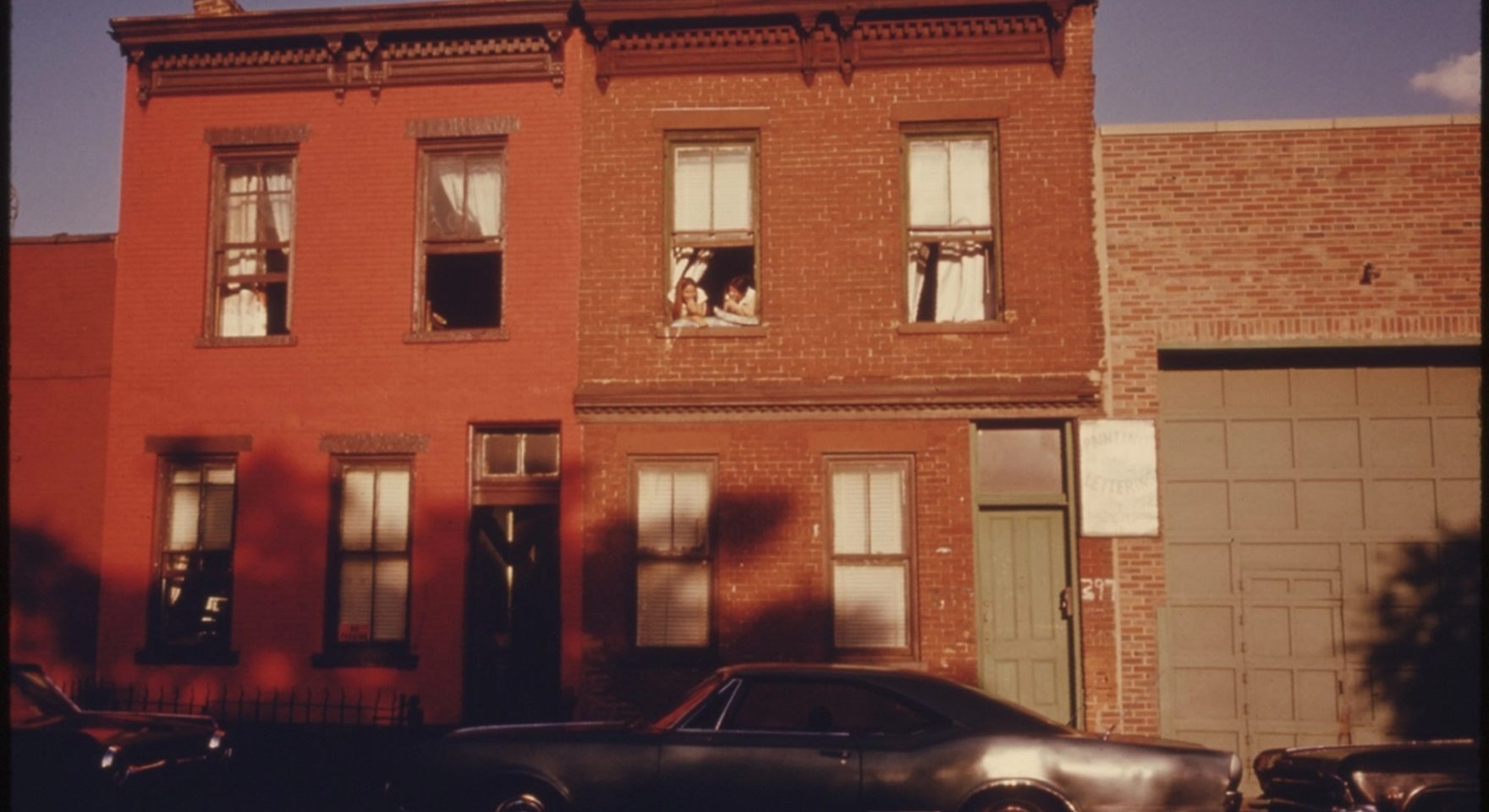
Most of Newark lives in row houses, two and three-family homes and apartment buildings. Those buildings share walls, cellars, plumbing risers and sometimes a single sewer lateral, and pests read the whole structure, not the lease line.
A bed bug walks the outlet box into the next apartment. A German roach rides the riser two floors up. A rat travels the common cellar around every wall you sealed. It is the single reason treating one door so often fails here, and why the honest fix follows the pest through the building.
- Bed bugs travel wall voids, outlets and pipe chases between units
- German roaches ride shared plumbing risers apartment to apartment
- Rats use the common cellar and a shared sewer lateral to move around your seals
We find it first
The inspection is the real work. Before anything gets treated, an experienced local exterminator finds where the pest lives and how it travels the building.
We treat the way it spreads
Rats through the cellar, roaches up the riser, bed bugs along the wall. The treatment follows the pest through the whole structure, not one door.
What happens when you call
Six steps, from your call to a shut-out building
Tell us the pest, the building and how long it has run. Row house, apartment, restaurant, we sort out what you are dealing with.
The visit finds where the pest lives and travels: the cellar, the riser, the wall void, the sill, the standing water.
Straight answers on what it takes and how many visits, before any work starts. No obligation.
Treatment follows how the pest actually spreads through the structure, with exclusion to shut it out.
For roaches and bed bugs, follow-up visits catch the eggs that hatch after the first round.
Seal the gaps, cut the food and water, and the sewer, the block and the neighbor stay on their side of the wall.
Where we help
Newark neighborhoods and nearby towns
From the Ironbound to Forest Hill and the West Ward, plus East Orange and Harrison just over the line.
Ironbound
The Ironbound is the densest, busiest corner of Newark, and its pest pressure matches. Ferry Street’s restaurant row, tightly packed row houses, and an old combined sewer make this the part of the city where rats, German cockroaches and commercial pest problems run heaviest.
Forest Hill
Forest Hill is Newark’s historic district of large early-twentieth-century homes, mature trees and deep lots. The grand old housing is beautiful and it is exactly what wood-destroying pests want: aging frames, wet basements and wood near the soil.
Weequahic
Weequahic sits in Newark’s South Ward around its largest park, a neighborhood of older single and multi-family homes. The park’s green edge and the aging housing stock set the pest pattern: rodents, ants and the wood pests that follow moisture in older frames.
Vailsburg
Vailsburg anchors Newark’s West Ward on the Irvington and East Orange line, a neighborhood of close-set single and multi-family homes. Tight lots, shared walls and older frames make rodents and cockroaches the everyday pest questions here.
East Orange
East Orange borders Newark to the northwest, a dense, largely apartment-and-multifamily city of its own. Big older apartment buildings and close-set homes make bed bugs, German cockroaches and rodents the pests that define the work here.
Harrison
Harrison sits across the Passaic River from Newark’s Ironbound, a compact riverfront town mixing brand-new development with old wood-frame housing. The river edge, the old industrial land and the tight older blocks drive its rat and cockroach pressure.
Questions
Newark pest control, answered
What areas of Newark do you cover?
We connect homeowners and businesses across Newark, the Ironbound, Forest Hill, Weequahic, Vailsburg, East Orange and Harrison with an experienced local exterminator. From the Ironbound row houses to Forest Hill and the West Ward, and just over the line into East Orange and Harrison.
What is the most common pest problem in Newark?
Norway rats and German cockroaches, because the city is dense, largely pre-war, and built on an old sewer system. Bed bugs are close behind in the apartment buildings. All three spread between attached units, which shapes how they get treated.
How fast can someone come out?
Calls are answered 7am - 9pm daily. Describe the pest and the building and you will get an honest read on timing and what the visit involves, before any work starts.
Do you handle apartment buildings and multi-family homes?
Yes, and they are treated as a building, not a single unit. Bed bugs, roaches and rats travel between apartments through shared walls, risers and cellars, so lasting control coordinates the affected units and the common areas.
Who actually does the work?
The work is handled by an experienced local exterminator. Describe your problem and you will be connected with one who services Newark. There is no obligation to book anything.
Call now
Tell us what you are seeing, and where
Describe the pest, the building and how long it has been going on. You get straight answers and an honest estimate before any work starts. No obligation.
Calls answered 7am to 9pm, seven days a week