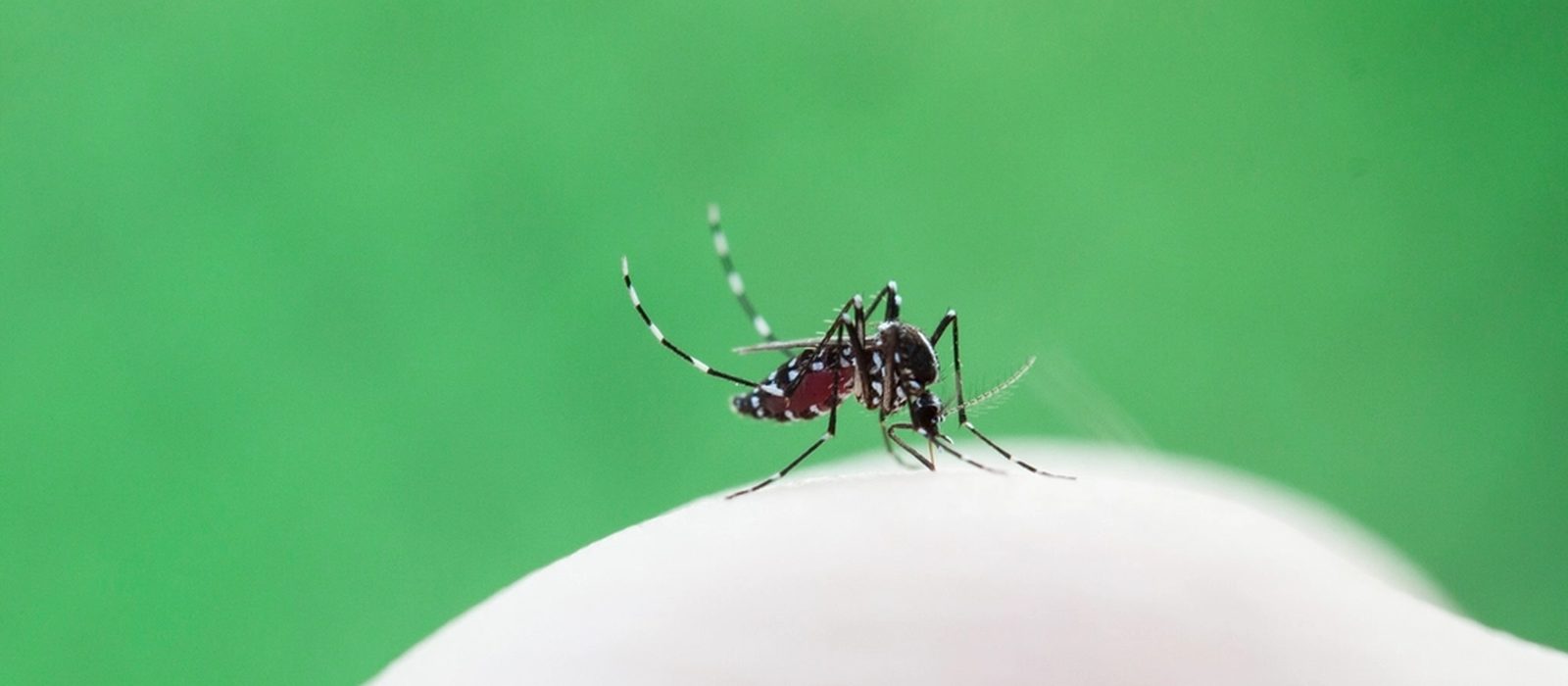
Mosquitoes
Mosquito Control in Newark, NJ
The Asian tiger mosquito rules Newark backyards, breeding in a bottle cap of water and biting all day. Control is about the water on your block, not fogging the air.
Mosquito control in Newark is a fight with the Asian tiger mosquito, an aggressive daytime biter that has made itself at home in the dense, container-filled backyards of the city. It breeds in tiny amounts of standing water and rarely travels more than a block from where it hatched, which is the key to everything: the mosquitoes biting you almost always bred on your property or your neighbor’s.
Why Newark yards breed so many mosquitoes
The Asian tiger mosquito is a container breeder. It does not need a pond, it needs a bottle cap of water, and a Newark backyard is full of the containers it wants: the clogged gutter, the saucer under a potted plant, the tarp, the kiddie pool, the bucket, the old tire, the recycling bin, the corrugated downspout extension, the tree hole. Add the city’s catch basins and storm drains, which hold standing water between rains, and the breeding sites number in the dozens on a single block.
Two things make the tiger mosquito especially miserable in a dense neighborhood. It bites all day, not just at dusk, so it takes over a backyard from morning on. And it flies a very short distance, which means control is intensely local, your yard and the yards touching it, not some regional spray program. It is also a competent vector, which is why standing water in a packed city is a public-health issue, not just an itch.
Where the water hides
The mosquitoes are the symptom; the standing water is the cause. Because the tiger mosquito breeds in such small volumes and flies so short a distance, a yard can be treated and still swarm if the containers keep refilling, or if the yard on the other side of the fence is a hatchery. That is why real mosquito control is a water hunt first and a treatment second.
- Clogged gutters and downspout extensions holding water along the roofline
- Saucers under potted plants, buckets, watering cans, and the folds of a tarp or pool cover
- Old tires, recycling bins, kiddie pools, birdbaths, and any toy or container left in the yard
- Catch basins, storm drains, and low spots along the curb and alley that stay wet between rains
- A neglected pool, a blocked yard drain, or a tree hole that collects rainwater
How a local exterminator brings the numbers down
A serious mosquito program is source reduction plus targeted treatment. An experienced local exterminator walks the property to find and empty or drain every breeding container, treats the water that cannot be removed, the catch basin, the drain, the low spot, with a larvicide that stops mosquitoes before they fly, and applies a residual to the shaded resting sites where adult tiger mosquitoes wait out the heat, the dense shrubs, the ivy, the underside of the deck, the fence line.
It is done on a cycle through the season, because the yard keeps refilling with rain and new adults keep flying in from nearby. Fogging the air alone is the least useful version, it kills the adults present for an afternoon and does nothing to the water making tomorrow’s batch. The property owners who get the best summers are the ones who let the exterminator kill the breeding sites, not just the mosquitoes on the wing.
The block problem
Because the tiger mosquito travels such a short distance, your success is tied to the block. A perfectly maintained yard next to a neglected one with a full recycling bin and a clogged gutter still gets bitten, because the neighbor’s containers are within the mosquito’s flight range. The strongest results come when the obvious water sources on and around the property are all addressed.
Newark’s mosquito season runs roughly from late spring through the first hard frost, and it climbs with the summer heat and the storms that keep refilling every container. Starting source reduction early, before the population builds, makes the whole season easier than trying to knock down a peak in August.
Read more on What pest control costs in Newark and why, or call 973-548-0440 and describe what you are seeing.
Related
People who called about this also called about
Questions
Mosquitoes in Newark, answered
Why do I have so many mosquitoes when I have no pond?
The Asian tiger mosquito does not need a pond. It breeds in a bottle cap of water, a clogged gutter, a plant saucer, a bucket, a tarp fold, a catch basin. A container-filled city yard can hold dozens of breeding sites, which is why removing standing water matters more than anything else.
Does fogging get rid of mosquitoes?
Fogging kills the adult mosquitoes present for that afternoon and does nothing to the water producing the next batch. It has a place as part of a program, but on its own the numbers come right back. Treating and removing the breeding water is what actually lowers them.
Why do I still get bitten after treatment?
The tiger mosquito flies only a short distance, so if the yard next door is a breeding site, its mosquitoes reach you. And any container that refills with rain restarts the cycle. Control works best when the water sources on and around the property are all handled, on a repeating schedule.
When should I start mosquito control?
Early, before the population builds. Newark’s season runs from late spring to the first frost, and starting source reduction in spring keeps the summer peak from ever getting as high.
Call now
Tell us what you are seeing, and where
Describe the pest, the building and how long it has been going on. You get straight answers and an honest estimate before any work starts. No obligation.
Calls answered 7am to 9pm, seven days a week